

What to Do if Your Pipes Freeze
What to Do if Your Pipes Freeze
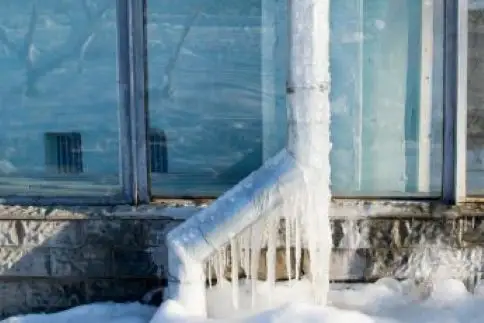
When temperatures drop, frozen pipes become a serious concern for homeowners. As water freezes inside a pipe, it expands—putting pressure on the pipe walls. That pressure can cause pipes to crack or burst, leading to leaks, flooding, and costly repairs once the ice begins to thaw.
Knowing the warning signs and acting quickly can make all the difference.
How to Tell if Your Pipes are Frozen
Frozen pipes don’t always announce themselves loudly. Keep an eye out for these red flags:
- Little to no water coming from faucets
- A sudden drop in water pressure
- Visible frost on exposed pipes
Certain areas of your home are especially vulnerable, including basements, crawl spaces, exterior walls, and pipes near outdoor spigots.
What to Do If You Suspect a Frozen Pipe
If you think a pipe may be frozen, time matters. Taking the right steps can help prevent a burst pipe:
- Turn on the affected faucet slightly to relieve pressure as the ice begins to thaw.
- Apply gentle heat using a hair dryer or heating pad. Start from the faucet and work your way toward the frozen section.
- Open cabinet doors under sinks to allow warm air to circulate around the pipes.
As the pipe begins to thaw, watch closely for leaks or dripping water. Even small cracks can turn into major problems.
If you’re unsure where the pipe is frozen—or if you can’t safely access or thaw it—it’s time to call a professional.
What Not to Do if You Have Frozen Pipes
Trying to rush the process or using the wrong methods can cause serious damage. Avoid these common mistakes:
- Do not use open flames, torches, or propane heaters to thaw pipes.
- Do not ignore the issue, even if water starts flowing again.
- Do not leave your home unattended while pipes are frozen.
Burst pipes often go unnoticed until the ice melts and water begins leaking out—sometimes hours or days later.
Call Catons: Your Frozen Pipe Pros
Frozen pipes can be stressful, but you don’t have to handle them alone. Catons Plumbing, Drains & Water Cleanup of Baltimore handles frozen pipe issues during every Maryland winter and knows exactly what to look for before minor problems turn into major damage.
If you suspect your pipes are frozen—or if you notice leaks as things begin to thaw—call Catons. We’re here to help protect your home and restore your peace of mind.